
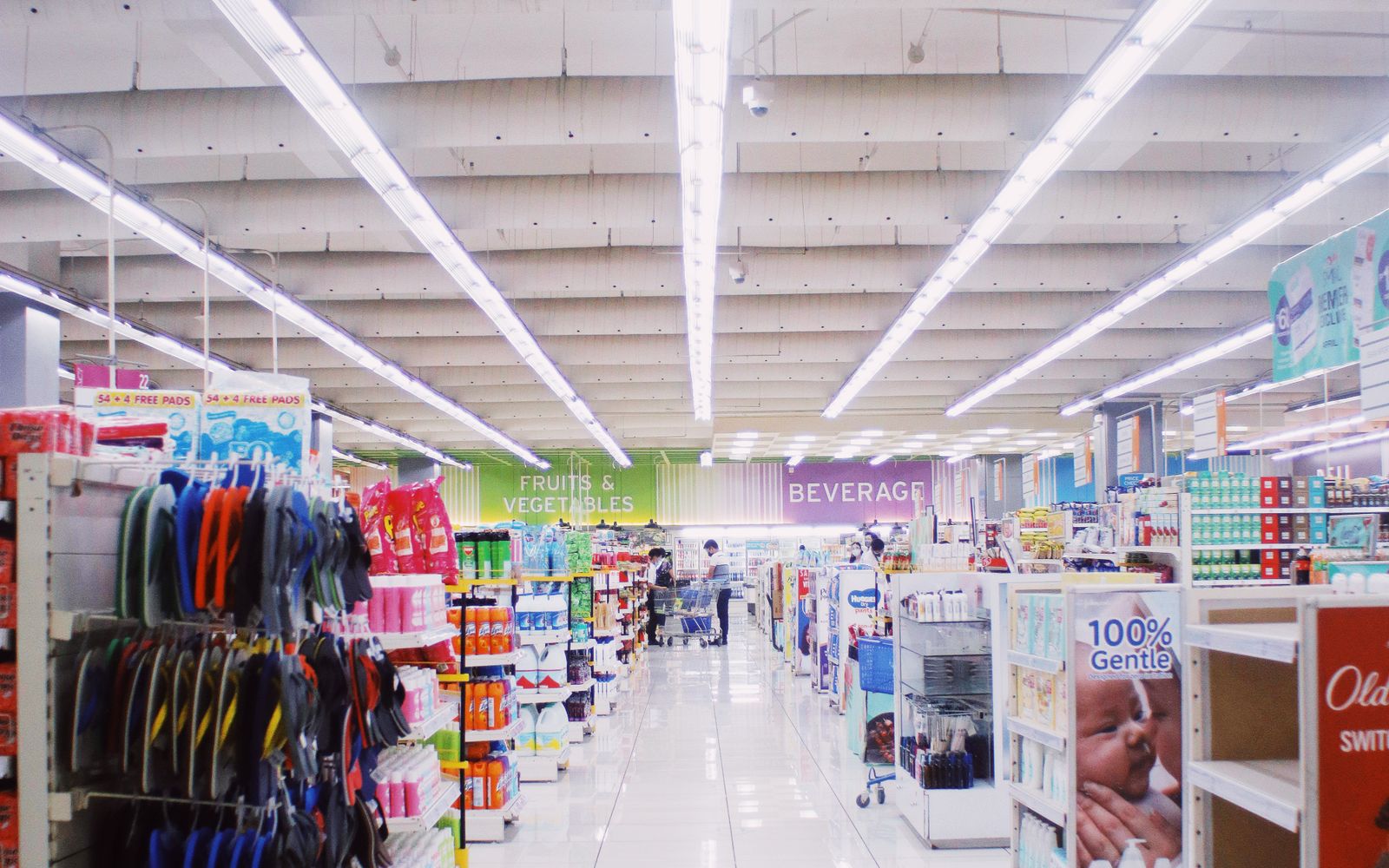
Design around the trading day
A supermarket entrance, a shopping-centre concourse and a small specialty store create very different cleaning jobs. For an Australian operator, the practical question is which routes can run between customer peaks, deliveries and restocking. Start with a map of the busiest intersections and the narrowest usable gaps, measured with stock and displays in their normal positions.
Match the method to the mess
Dry litter, tracked-in grit and sticky spills call for different responses. Choose the required sweeping, vacuuming or scrubbing task first. Check how the proposed robot handles the actual floor finish and whether loose debris needs removal before wet cleaning. Keep an immediate human response for unexpected spills and obstructions; a scheduled route is not an emergency-cleaning service.
Prove the routine in a live trial
Trial the robot during a representative trading period, not only in an empty store. Inspect edges, checkout approaches and turning areas. Record route completion and staff interventions alongside customer feedback. Safe Work Australia identifies cleaning schedules and prompt attention to floor hazards as part of managing slips and trips. Automation should fit that existing system, with clear staff ownership of exceptions and a daily inspection of the result.