Cleaning around dispatch
Receiving, picking and outbound work compete for the same floor space. Identify cleaning windows before selecting equipment.

BUILT AROUND YOUR OPERATION
A cleaning plan for every shift. Match dry sweeping and wet floor care to your warehouse, with Beetle, Omnie and Scrubber 75.
01 / THE CHALLENGE
Receiving, picking and outbound work compete for the same floor space. Identify cleaning windows before selecting equipment.
Decide what a clean floor should look like at the start of each shift, and make that standard part of the operating routine.
Separate repeatable floor routes from tasks that still need people, such as dealing with unexpected spills and clearing obstructions.
Compare cleaning time, consumables, service and staff involvement across an actual working week—not just the purchase price.
02 / YOUR ENVIRONMENT
Large floor areas, moving traffic, restricted aisles and loading transitions all affect route planning. Dust, loose debris and liquid spills call for different cleaning methods.
03 / A PRACTICAL CLEANING PLAN
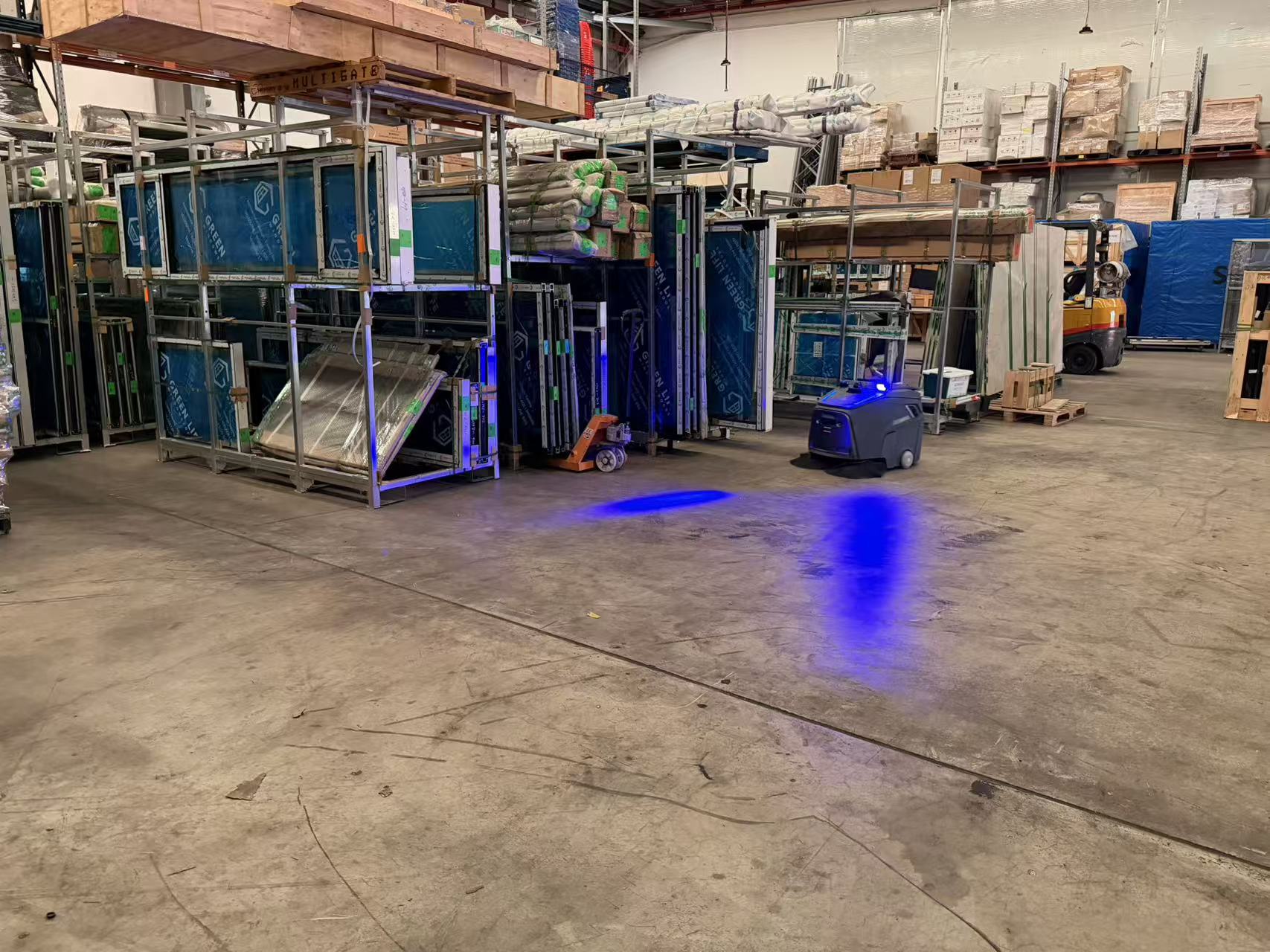
Mapped routes and scheduled tasks support a more consistent cleaning routine.
Use sweeping for loose material and scrubbing for floor soil, with model choice based on a site assessment.
Our Sydney 3PL case combines nightly full sweeping with SpotClean every four hours during operation. Your schedule should reflect your own traffic patterns.
Agree who checks the route, empties the machine and handles exceptions. Include those tasks in operator training before regular use.
COMPARE YOUR CLEANING OPTIONS
Compare the people time and operating costs needed to deliver the same cleaning scope and standard. Adjust the assumptions to reflect your warehouse.
Fixed planning assumptions: 30 minutes of staff support per cleaning day and AUD 3,500 in annual robot non-labour operating costs. Robot support time includes preparation, emptying, refilling, routine checks and manual touch-ups. Non-labour costs should include maintenance, consumables, energy and any recurring fees. Net upfront investment includes equipment and deployment, less any avoided traditional equipment purchase. Use a consistent GST basis.
Please enter valid non-negative values within the displayed limits; cleaning days and traditional hours must be greater than zero.
| Annual comparison | Traditional cleaning | Automated cleaning |
|---|---|---|
| People time | 1,200 h | 150 h |
| Labour cost | A$48,000 | A$6,000 |
| Non-labour operating costs | A$0 | A$3,500 |
| Total operating cost | A$48,000 | A$9,500 |
Labour efficiency: hours released = (traditional daily labour − robot support labour) × cleaning days. The percentage shows the reduction in direct labour time, not a claim that the robot cleans the floor faster.
Annual saving: traditional labour and running costs minus robot support labour and running costs. Released time becomes a cash saving only when paid hours, overtime or contractor spend actually fall; otherwise it is capacity that can be reassigned.
Payback: net upfront investment divided by positive annual operating savings. This simple comparison excludes finance costs, depreciation, tax and residual value. It is not a full investment appraisal. Negative savings mean the assumed deployment costs more to operate.
Check the cleaning outcome: compare actual coverage, task completion, floor cleanliness and human interventions during a trial. Robot runtime, charging and servicing must fit the available cleaning window.
04 / FIND YOUR FIT
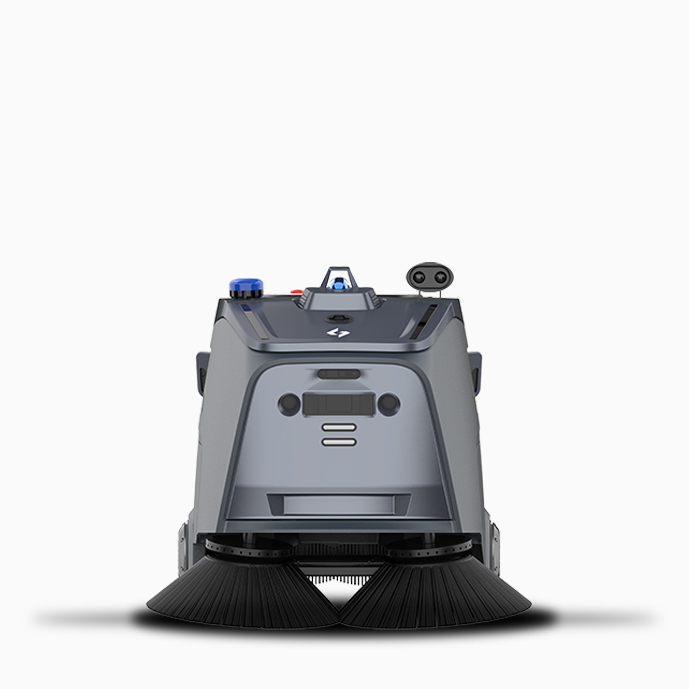
Schedule regular sweeping along storage aisles and dispatch routes.
Explore Beetle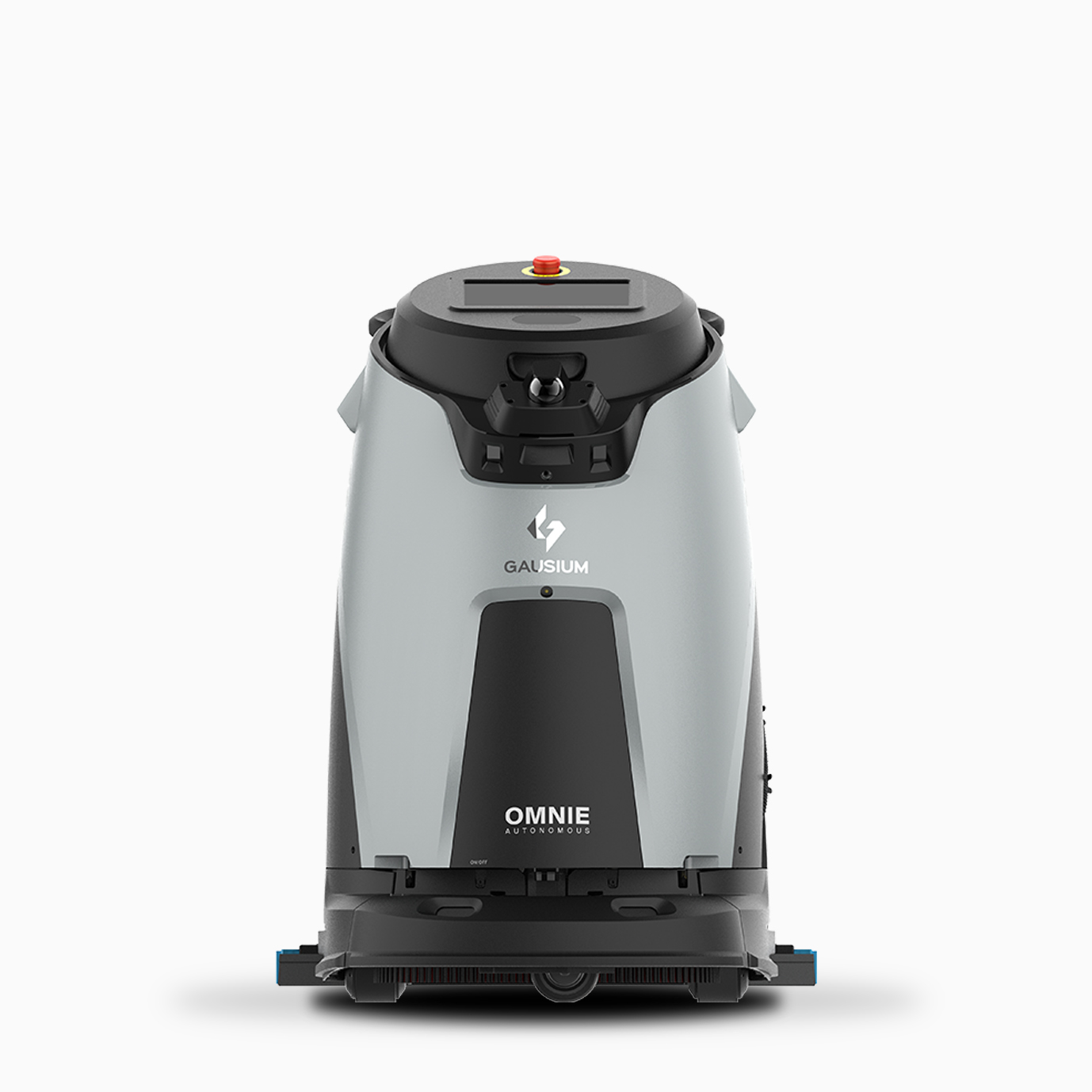
Consider Omnie where one route combines different floor-care needs.
Explore Omnie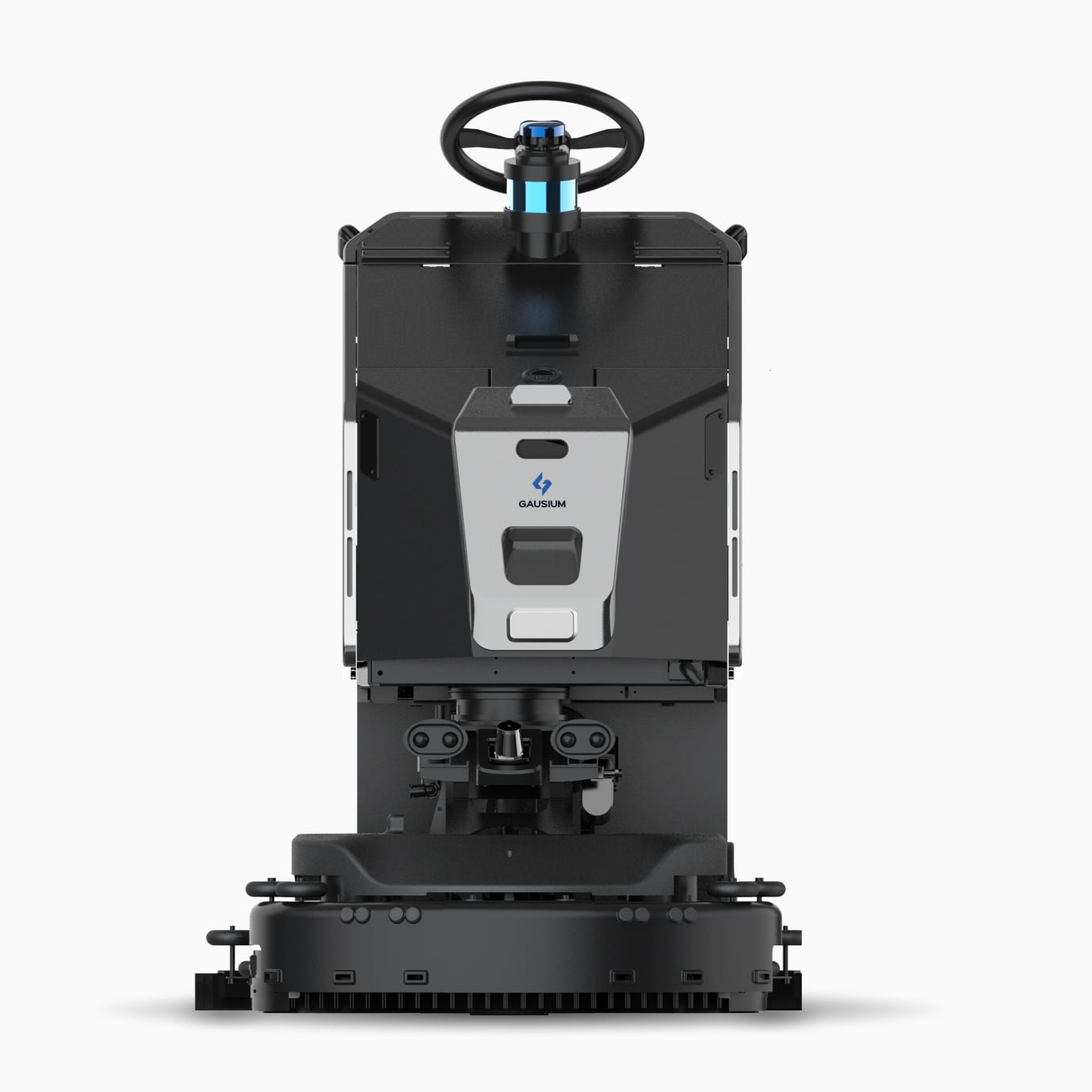
Assess Scrubber 75 for open warehouse zones and demanding floor care.
Explore Scrubber 7505 / IN THE FIELD
SYDNEY · WAREHOUSING
Full sweeping after closing, with targeted cleaning every four hours during operation.
Read the Sydney 3PL case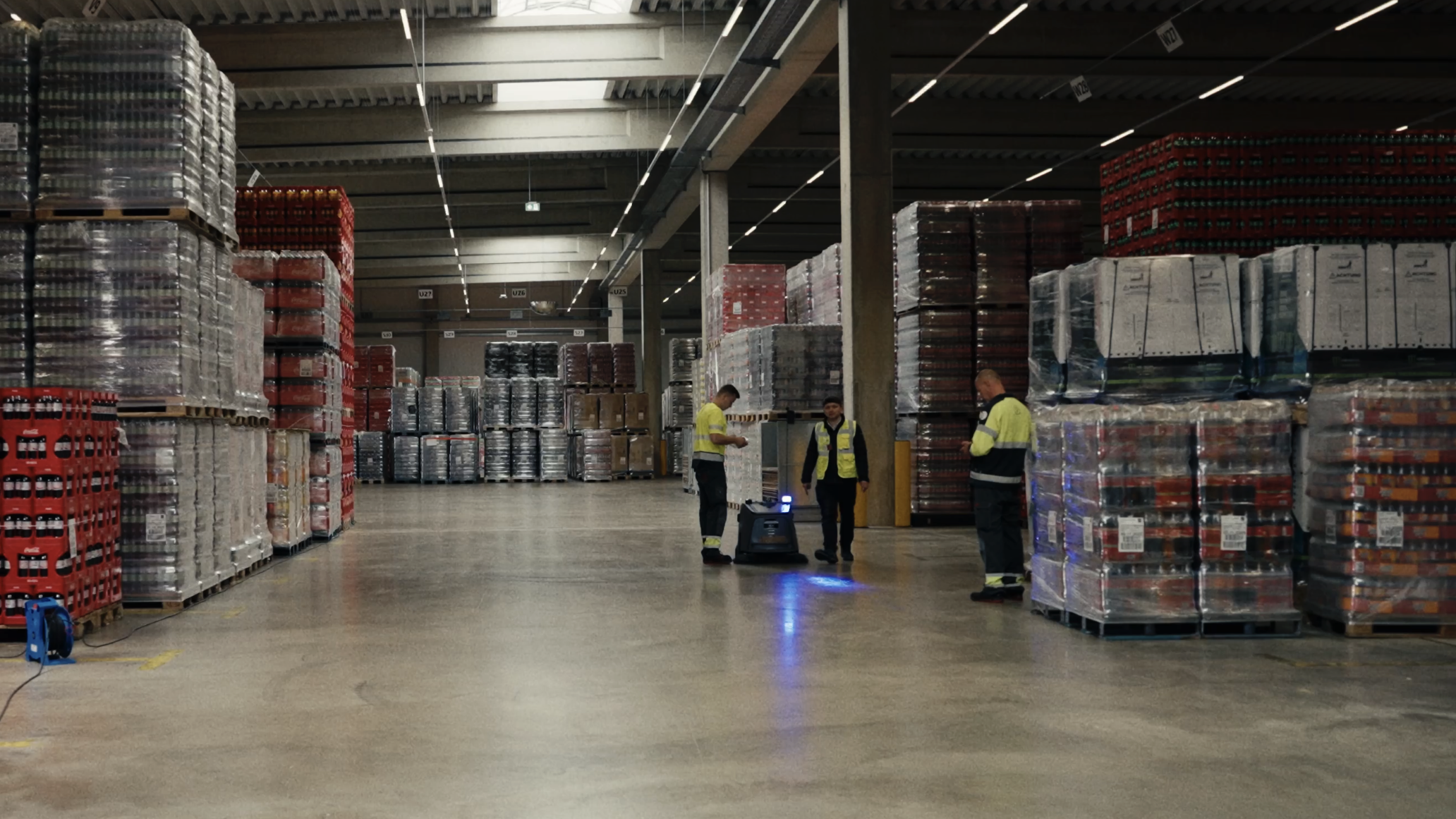
GLOBAL SUCCESS CASE
Explore a further example of autonomous cleaning in an industrial setting.
Read the case studyShare your floor area, floor types, shift pattern and current cleaning process with our Australian team.
Book a site assessmentIndustry and product reference: Gausium. Recommendations require local assessment.