
Map the operation before the floor
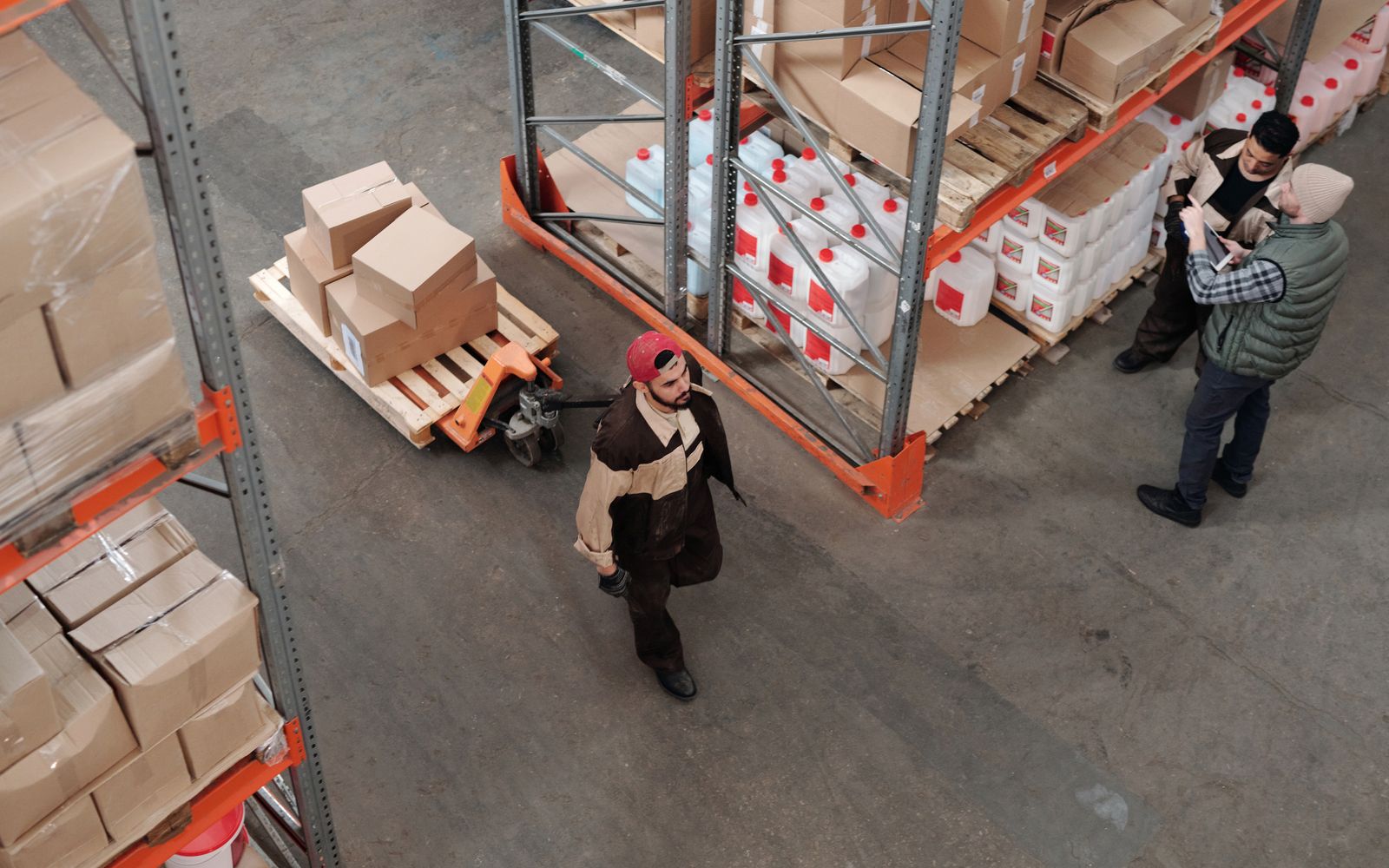
In a warehouse, the cleaning route shares space with picking, replenishment and dispatch. The useful area changes as pallets, cages and temporary stock move. Our assessment approach is to identify stable routes first, then examine the more dynamic zones. Include dispatch peaks, charging areas, doors and any floor transitions in the survey.
Sweeping and scrubbing solve different problems
A sweeper collects loose material; a scrubber addresses suitable hard-floor soil with water and brush action. Some sites need both, while others gain little from adding a wet-cleaning step. Bring representative debris into the trial and agree what must be removed manually. Strapping, damaged packaging, liquids and unusual contamination should be assessed explicitly rather than treated as ordinary dust.
Measure disruption as well as coverage
Count completed routes, interruptions and the time spent preparing the floor. A robot that covers a large theoretical area but frequently waits at a busy crossing may deliver less usable capacity than a smaller machine on a protected route. Test scheduling around the operation and agree who can change the route. The aim is reliable floor care that fits warehouse work, with a clear operating plan for people and moving equipment.
TL ROBOTICS practical perspective. Site suitability and outcomes should be confirmed through assessment and a representative trial.