
Inspect the surface and the route
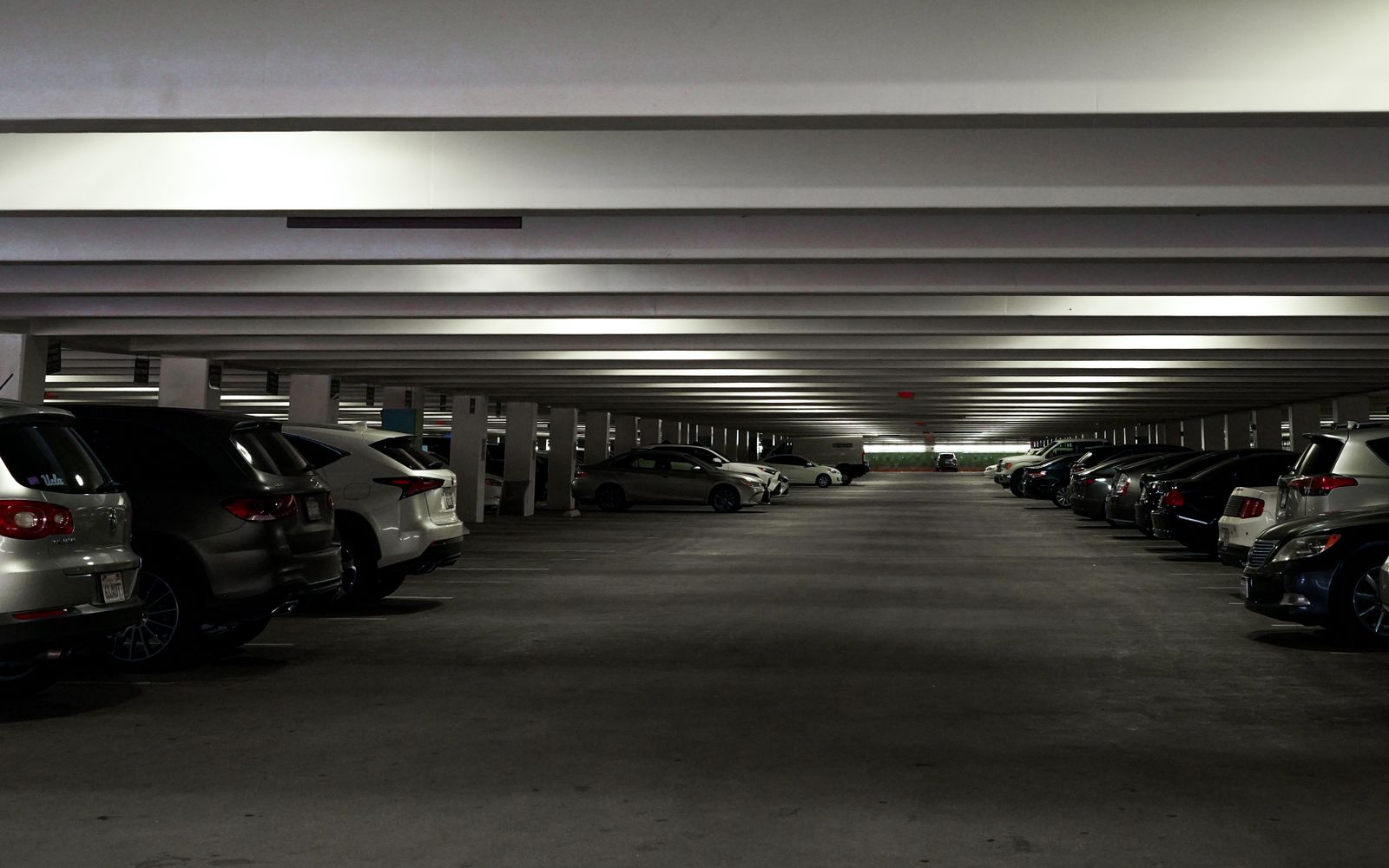
Car parks can look ideal for automation because they contain broad hard surfaces. Yet gradients, joints, drainage channels, low light and parked vehicles can fragment the usable route. Measure these features rather than relying on a drawing. A manufacturer’s gradeability figure must be interpreted for the specified mode and configuration, not assumed to cover every ramp or cleaning task.
Define the soil that needs removal
Tracked-in dust and grit differ from oil contamination or a fresh spill. Agree the cleaning method, suitable chemicals and any areas requiring manual treatment before selecting a machine. Inspect water recovery and drying results on the actual surface. Do not assume a routine scrub pass will address every mark or hazardous substance.
Fit cleaning around vehicle movement
Trial during a representative period and examine how access changes when spaces are occupied. Establish routes, pause procedures and the response to blocked paths. Compare completed coverage and staff attendance, including time spent preparing the area. A useful proposal states which zones are included, which are excluded and why. That makes ongoing performance easier to judge than a single headline area-per-hour number.
TL ROBOTICS practical perspective. Site suitability and outcomes should be confirmed through assessment and a representative trial.